HVAC is a fast path to solid pay, quick training, and work that never goes out of season. Here is what the schooling looks like, the tools you will actually use, and what you can earn in year one and beyond.
How Long Does the Training Really Takes
You have three legit routes, and you can stack them.
1) Certificate or diploma (trade school or community college).
Most run 6 to 12 months with daytime or evening cohorts. You learn electrical basics, refrigeration cycle, controls, troubleshooting, brazing, and safety. Many programs add an externship so you touch real equipment before you graduate.
2) Associate of Applied Science (AAS).
Plan for 18 to 24 months. Same core as a certificate, plus general education and deeper math, psychrometrics, and light commercial systems. If you want quicker promotions or to move into estimating or lead tech roles, an AAS helps.
3) Registered apprenticeship.
You work and learn at the same time for 3 to 4 years, getting progressive wage bumps. Apprentices combine on-the-job hours with classroom modules, then test for local cards or state licenses where required [3]. If you need to earn while you learn, this is the best ROI.
Whichever route you choose, expect to add the EPA Section 608 refrigerant card early. If you service systems that contain regulated refrigerants, federal rules require it. The credential does not expire and has four types based on the equipment you handle [2].
Tools Of The Trade
Day one kits vary by employer, but these are the essentials you will see in class and on calls:
Multimeter with temperature probe, continuity, and capacitance
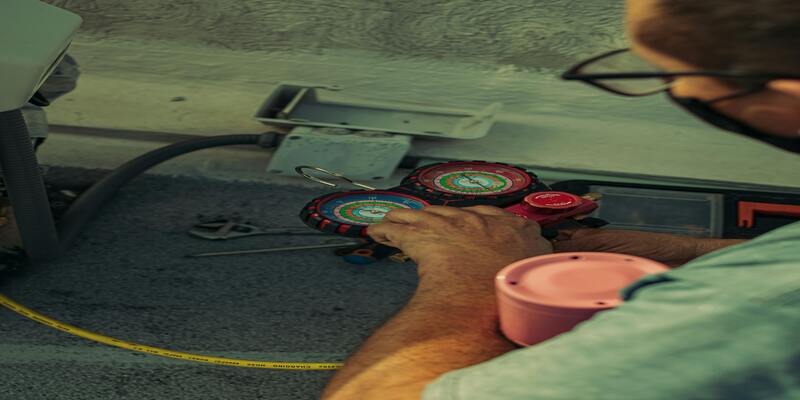
Manifold gauge set or digital gauges for the common refrigerants
Vacuum pump and micron gauge for proper evacuation
Recovery machine and approved cylinders when you open a system [2]
Leak detector and UV dye or nitrogen pressure setup
Digital thermometer or thermocouple clamp for superheat/subcool checks
Tubing cutter, flaring and swaging tools, and a brazing kit
Basic hand tools: nut drivers, service wrenches, torpedo level, torque wrench
PPE: gloves, eye protection, hearing protection, and sometimes respirators
Mobile apps for charging charts, airflow math, and manufacturer specs
Pro tip: do not overspend on a huge toolkit up front. Many shops issue specialty tools or reimburse once you pass probation. Focus on a reliable meter, solid gauges, and PPE, then add as your tasks expand.
What Class Actually Teaches You
A credible program maps directly to shop work:
Electrical fundamentals. Reading schematics, tracing low and high voltage, testing capacitors, contactors, and relays
Refrigeration cycle. Pressure-temperature relationships, superheat, subcool, and charging methods
Airflow and duct diagnostics. Static pressure, CFM targets, balancing basics
Controls and thermostats. Conventional and smart controls, heat pump defrost logic
Combustion and gas heat safety for furnaces and packaged units
Brazing and piping with nitrogen purging to protect the system
Codes and safety. Lockout/tagout, ladders, confined spaces, and refrigerant handling rules
Customer communication. Writing clean service notes and explaining fixes simply
Good schools align labs to the EPA 608 test and help you schedule it on campus or through a local proctor [2].
Pay, Demand, And Growth
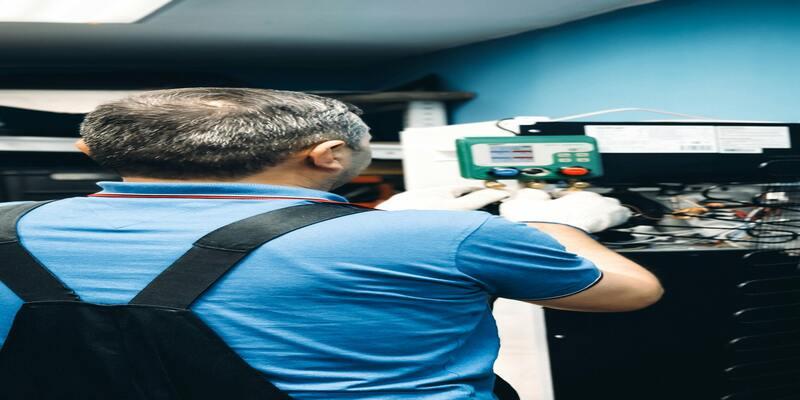
HVAC techs have a strong outlook and solid wages. The median annual pay was $59,810 in May 2024, with employment projected to grow about 8 percent from 2024 to 2034, which is much faster than average. About 40,100 openings are expected each year as people retire or change fields [1]. Translation: if you train well and show up, there is steady work.
How to move your pay faster:
● Stack EPA 608 Universal and add manufacturer micro-credentials as you go
● Track your numbers: callback rate, first-time fix, and average ticket
● Learn light commercial and controls to open higher-rate jobs
● Keep your notes clean so senior techs and dispatch trust you with bigger calls
Safety Cards And Extras That Help You Get Hired
Many shops like to see an OSHA 10-hour safety card for general hazard awareness. It is quick to complete and shows that you take safety seriously. If you are going the earn-while-you-learn route, use Apprenticeship.gov to locate registered programs and sponsors in your area [3]. Bring your 608 study plan or passing score to any interview. It signals day one readiness.
A Simple 90-Day Game Plan
Weeks 1–2: Pick your route. If you need income now, apply to helper or apprentice roles while enrolling in evening classes. Book your EPA 608 exam date so you have a hard deadline [2].
Weeks 3–8: Crush electrical and refrigeration labs. Practice pulling a deep vacuum to the manufacturer's spec and recording microns.
Weeks 9–10: Sit 608. Start light service ride-alongs if offered.
Weeks 11–12: Build a mini portfolio: three service tickets with before-and-after readings, photos of your brazed joints, and a one-page airflow checklist. Apply to entry-level installer or service trainee roles with these receipts.
Interview Tips That Land Offers
● Bring your 608 pass report or scheduled test date, plus a short tool list
● Be ready to explain how you would diagnose a no-cool call in five steps
● Show you understand superheat and subcool, and when to use each
● Emphasize safety, documentation, and customer communication
Train Clean, Get Your 608, And Show Proof
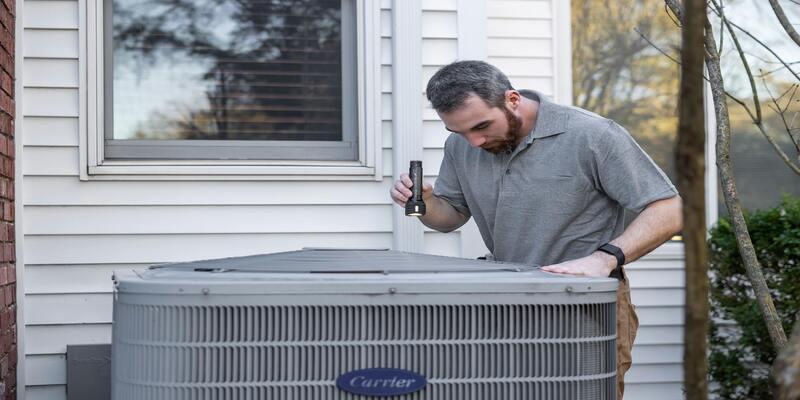
Finish a focused program or apprenticeship, pass EPA 608, and document real lab or ride-along wins. With solid fundamentals, a small tool set, and clean notes, you can step into HVAC fast and climb as you add controls, light commercial, and manufacturer training [1][2][3].
References
[1] U.S. Bureau of Labor Statistics. Heating, Air Conditioning, and Refrigeration Mechanics and Installers: Pay, Outlook, Duties
[2] U.S. Environmental Protection Agency. Section 608 Technician Certification Requirements
[3] Apprenticeship.gov. Registered Apprenticeship Overview and Finder